Renovated or New Construction: Which Apartment Is Right for You?
Neither is better for everyone: a new building is built to Seattle's current energy, sound and fire codes and usually has more shared amenities, while a well-renovated older building can offer more room with new finishes inside. What a renovation actually replaced matters most, so ask the same questions on every tour.
A new building and a renovated older one can both make a good home. New construction is built to Seattle’s current energy, sound and fire codes and usually has more shared amenities, while a renovated older building can offer more room with new kitchens and baths. What separates a thorough renovation from a cosmetic one is mostly hidden in the walls, so much of this guide is about what to ask.
Are older or newer apartments better?
Neither is better for everyone. The table sums up the usual trade-offs, and the sections below explain each one and how to check it on a tour.
| Renovated older building | New construction | |
|---|---|---|
| Size and layout | Varies widely; get the square footage of the exact home | Seattle’s newest apartments average 645 square feet (RentCafe, 2026) |
| Sound between homes | Depends on the original construction and what the renovation changed | Built to today’s code: STC 50 walls and floors, IIC 50 floors |
| Energy use | Depends on which windows, walls and equipment were replaced | Built to a recent edition of the Seattle Energy Code |
| Shared amenities | Usually limited by the original footprint | Usually more, planned in from the start |
| Rent | Older buildings rented for less on average in City data from 2016 | The newest buildings rented for more in the same data |
Are new apartments smaller than older ones?
In Seattle, new apartments have been getting smaller. RentCafe’s August 2026 analysis of Yardi data found that apartments completed in Seattle from 2016 through 2025 average 645 square feet, the smallest in its U.S. comparison and 47 square feet less than apartments completed in the decade before. RentCafe ties the drop to more studios and one-bedrooms being built.
That is an average, so it tells you little about any one apartment. Ask for the square footage of the exact home you would rent rather than a range for the floor plan, and check that your largest furniture fits the walls you would put it against.
Are new apartments quieter than older ones?
New buildings have to meet a set sound standard. Under the 2021 Seattle Building Code, the edition in force now, walls and floor-ceilings between homes need a sound transmission class (STC) of at least 50 in lab testing, or a field-tested rating of at least 45, to block airborne sound such as voices and TV. Floor-ceilings also need an impact insulation class (IIC) of at least 50, or 45 in field tests, to limit the sound of footsteps. Entrance doors from interior hallways need perimeter seals and an STC of at least 28.
An older building was built to the rules of its day. A renovation that replaces kitchens, baths and systems may leave the walls and floors between homes as they were, so ask whether anything was added to reduce sound.
Code ratings are only part of it. Neighbors, hard floors and street traffic matter in either kind of building, so visit in the evening when people are home and ask who lives above and below you.
Are newer apartments more energy efficient?
Usually, because the rules have tightened over time. Washington adopted its first state energy code by statute in 1977, according to the State Building Code Council, so a building from the 1960s went up before any state energy code existed. Seattle now updates the energy codes for multifamily and commercial buildings every three years, and the current 2021 Seattle Energy Code largely matches the 2021 Washington State Energy Code.
Renovations count too. The City describes its energy code as covering new buildings, renovations and equipment replacements, so equipment replaced during a renovation is held to the code in force at the time. The walls, roof and windows change only if the renovation replaced them.
Ask whether the windows were replaced, how each room is heated and cooled, and what a typical winter utility bill runs for that home. Air conditioning varies building by building in both types, so ask about cooling directly.
Do new apartment buildings have better amenities?
They usually have more of them. A new building can plan a fitness room, roof deck, package lockers and secure bike storage in from the start. A renovated older building works within its original footprint, so shared space is often limited, though a private deck or a larger home can make up for it.
Ask which amenities add a monthly charge, such as parking, storage or pet rent. Don’t assume parking in either case: some buildings have no garage, and in Eastlake, for example, the curb is Restricted Parking Zone 8.
Do older apartments cost less to rent?
On average they have, though age is only one factor. The City of Seattle’s 2016 Unsubsidized Housing Monitoring Report, based on Dupre + Scott survey data, found that units in the newest properties rented for more than units in older ones. It also found the lowest average rents in buildings constructed between 1965 and 1979, which the City read as a sign that factors besides age play a role. Location, size and condition all move the price.
That report is ten years old, so its dollar figures are no guide today; our guide to Seattle rent prices has current numbers.
Income-restricted rent works differently. Seattle’s Multifamily Tax Exemption program gives new apartment buildings a property tax break in return for capped rents on a share of their homes, so a new building can be the lower-cost option if your household qualifies. Our MFTE guide explains the income limits.
Is 20 years old for an apartment?
Not on its own. Age tells you which codes a building was designed under, and Seattle’s energy code alone went through four editions between 2012 and 2021. It says little about upkeep. A well-kept 20-year-old building can be in better shape than a neglected 10-year-old one, so focus on what has been replaced and how quickly repairs get done.
Seattle gives renters a way to check. Under the Rental Registration and Inspection Ordinance, rental properties must be registered with the City and inspected at least once every 5 to 10 years against a checklist that includes a working permanent heating system, working plumbing fixtures, secure windows and doors, and roofs and walls without holes or visible leaks. You can enter an address on the Seattle Services Portal to see its registration records. If a landlord won’t make repairs, the City takes property complaints.
What should you ask when touring a renovated apartment?
A renovation can mean new paint and appliances, or it can mean new plumbing, wiring and fire sprinklers. These questions tell you which.
- What did the renovation replace, and in what year? Go through plumbing, electrical, heating and cooling, windows, the roof and fire sprinklers one at a time.
- Was anything added between homes to cut down on sound?
- Can I see the fire safety notice? Washington law requires landlords to give tenants a written notice that, in an apartment building, says whether there is a fire sprinkler system and a fire alarm system, what the smoking policy is, and whether there is an emergency notification or evacuation plan (RCW 59.18.060).
- If the building predates 1978, where is the lead disclosure? Federal rules require the landlord to share what it knows about lead-based paint, give you the EPA pamphlet Protect Your Family From Lead in Your Home, and attach a Lead Warning Statement to the lease (EPA). Studios are exempt unless a child under six lives there.
- If it is a brick building from before 1945, is it in the City’s unreinforced masonry database? The City says these buildings are at risk of collapse in an earthquake and requires a seismic retrofit as part of a major renovation (SDCI), so ask whether the work included one.
- When was the building last inspected under RRIO?
- What do utilities typically cost for this home in winter and in summer?
What should you ask when touring a new building?
New buildings have fewer hidden conditions, so the questions are mostly about cost and what is still unfinished.
- Is construction finished in the building and on the lots around it? A view or a quiet street can change when the next building goes up.
- Are there move-in specials, and what rent should I expect at renewal?
- Which utilities are billed separately, and how are they calculated?
- Which amenities, parking spaces or storage units cost extra?
- Does the building have MFTE homes, and how do I apply for one?
Is it better to live on the 2nd or 3rd floor?
It depends on what bothers you more, and the trade-offs are the same in old and new buildings. A higher floor puts more distance between your windows and the sidewalk and can mean a better view. A lower floor is easier for groceries, bikes and moving day, which counts for more if the building has no elevator. Only the top floor avoids footsteps overhead. On any floor, ask who lives above and below you and which way the windows face.
Lyla and Flow: one of each in Eastlake
We own two buildings in Eastlake, and they happen to show the two choices side by side.
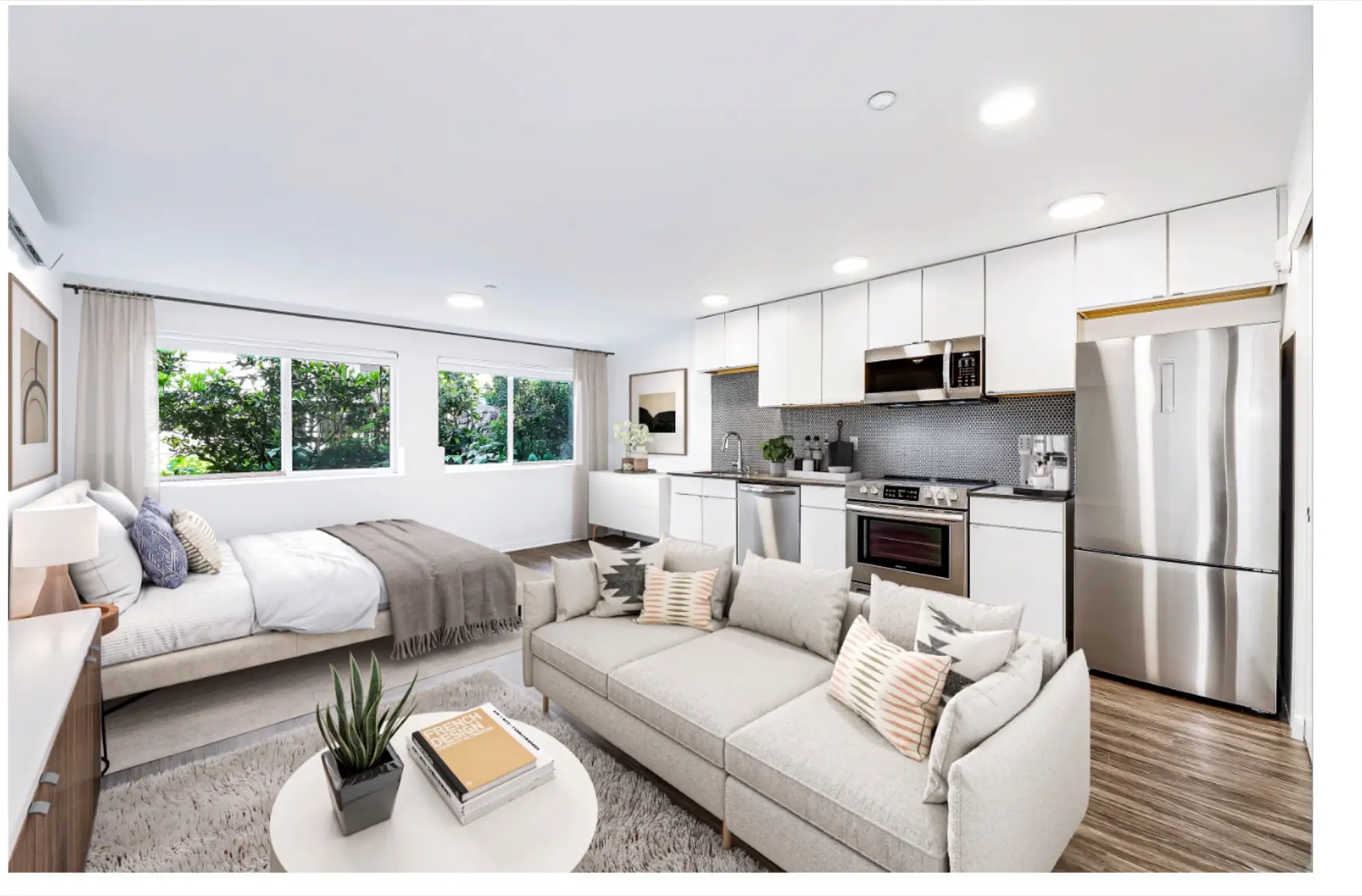
Lyla Eastlake, at 2600 Eastlake Ave E, was built in 1961 and fully renovated in 2021. The work replaced the plumbing, electrical, heating and cooling, and fire sprinkler systems, gave every home a new kitchen and bathroom, and added four apartments and a commercial space. Lyla has studio, one-bedroom and two-bedroom homes, many with a view deck, and its homes are larger than many in today’s new buildings. It is pet friendly.
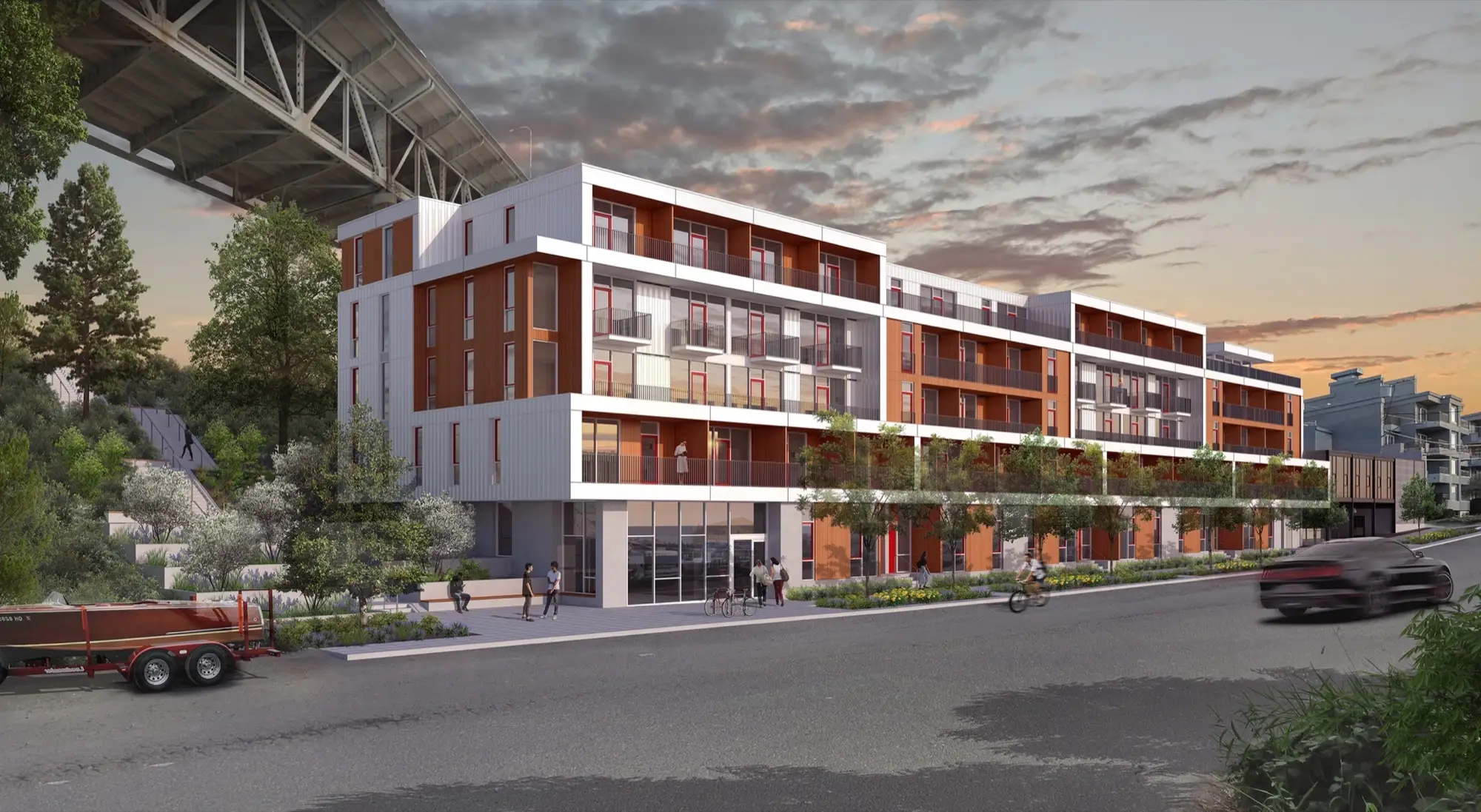
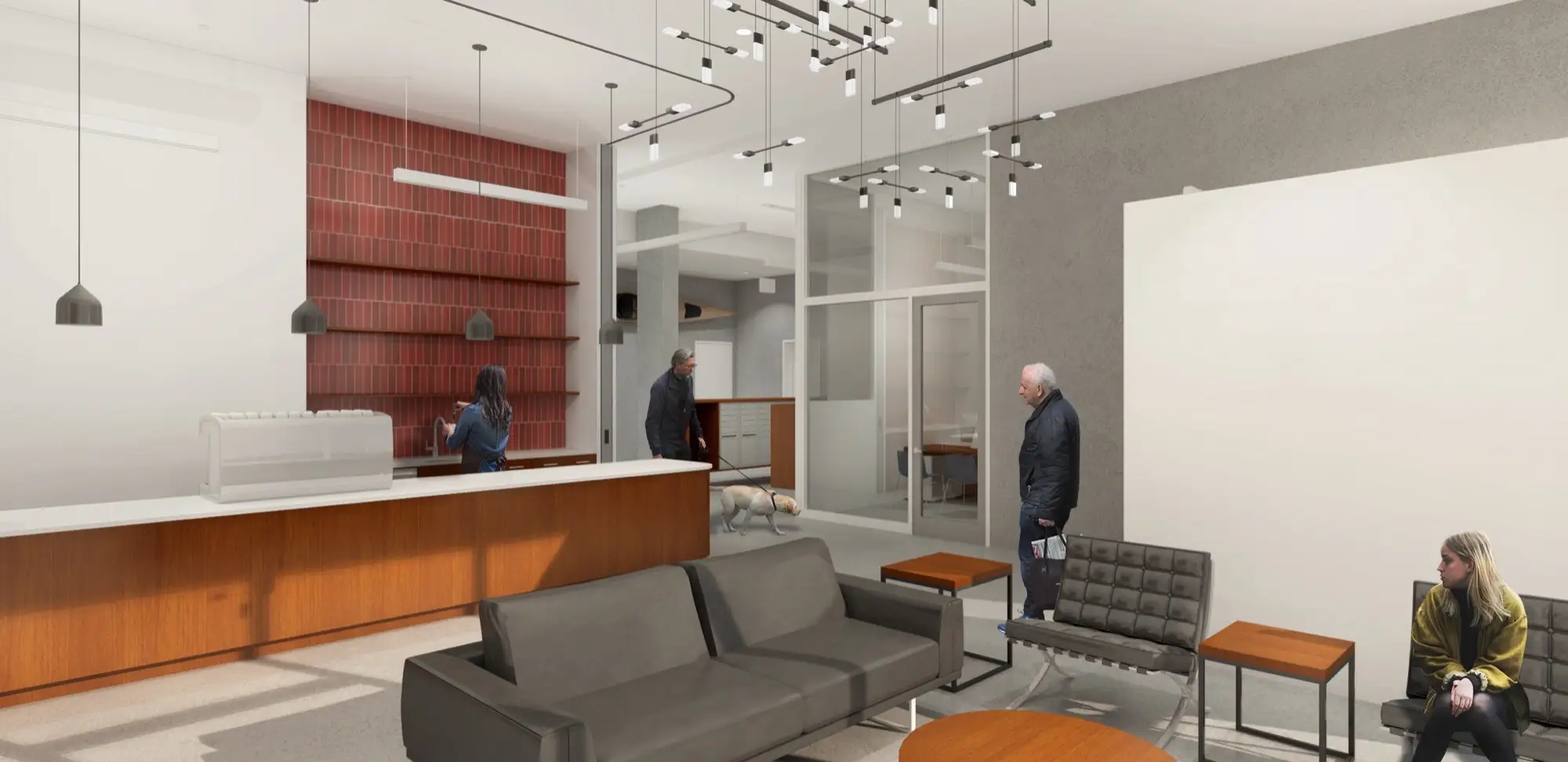
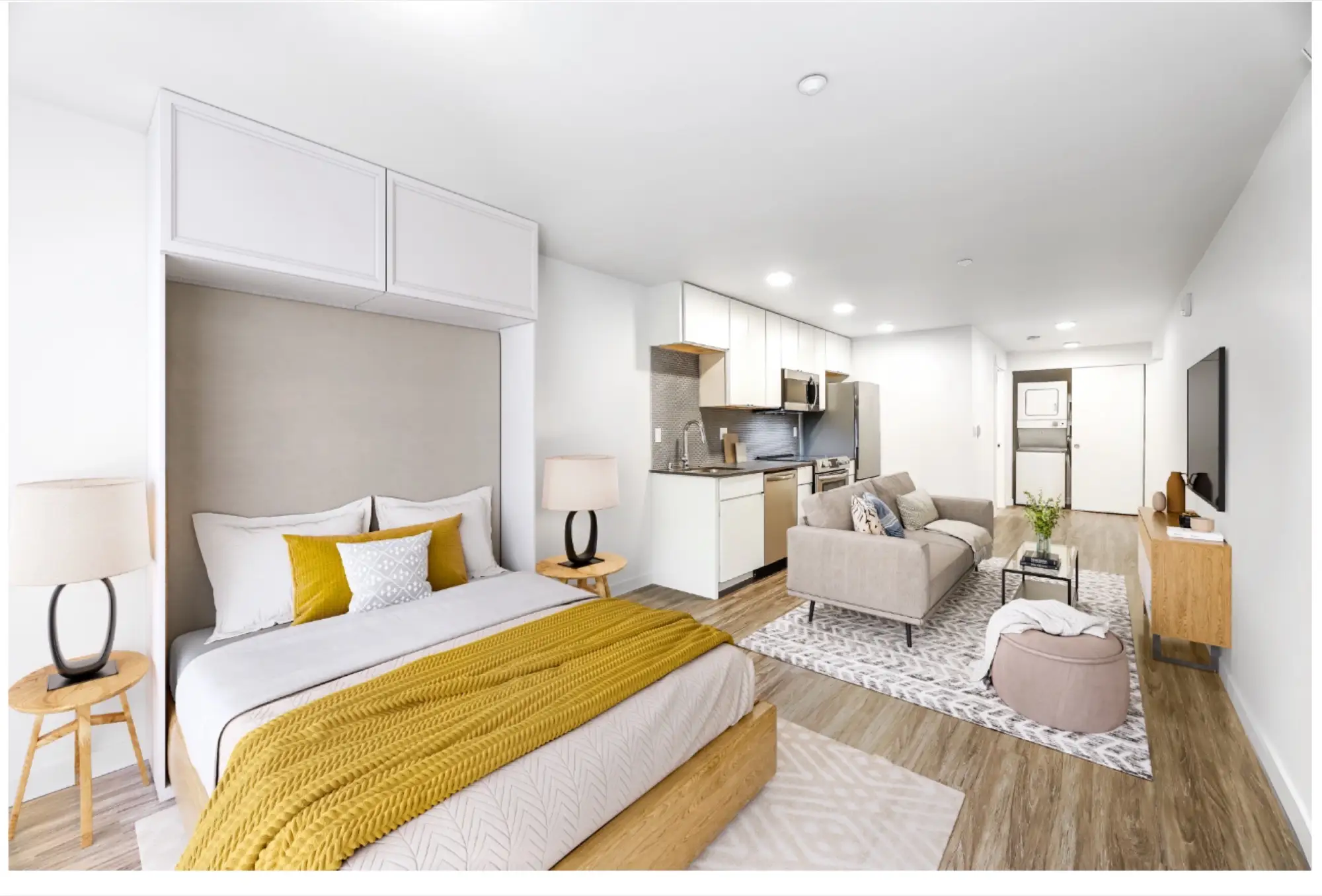
Flow Eastlake, at 3150 Fairview Ave E, is new construction across the street from Lake Union. Its studio, one-bedroom, open one-bedroom and two-bedroom homes have floor-to-ceiling windows, high ceilings, an in-home washer and dryer, and a balcony or patio. Shared spaces include a rooftop lounge and terrace with a fire pit and grill, a fitness center, a lobby coffee bar, parcel lockers, free kayak and paddleboard storage, and a controlled-access garage with spaces for a monthly fee. Some homes are set aside under MFTE for households that meet the income limits, and dogs and cats are welcome, up to two per home.
Take the questions above to both, and compare them on our Eastlake apartments page. For the neighborhood, see Living in Eastlake and Eastlake or South Lake Union; for applications, see how to rent an apartment in Seattle.
Quick answers
Are older or newer apartments better?
Neither is better for everyone. New buildings are built to current energy, sound and fire codes and usually have more shared amenities, while a well-renovated older building can offer more room with new finishes. Ask what a renovation replaced before you compare the two.
Is 20 years old for an apartment?
Not by itself. Upkeep and what has been replaced matter more than age. Seattle rental properties must be registered and inspected at least once every 5 to 10 years, and you can look up a building's records on the Seattle Services Portal.
Is it better to live on the 2nd or 3rd floor?
It depends on what bothers you more. A higher floor puts more distance between your windows and the sidewalk, and a lower floor is easier for groceries, bikes and moving day. Only the top floor avoids footsteps overhead.
What does a renovated apartment mean?
It can mean anything from new paint and appliances to new plumbing, wiring, heating and fire sprinklers, which is what Lyla Eastlake's 2021 renovation replaced. Ask what was replaced and in what year.
Do apartments in Seattle have air conditioning?
It varies by building, in new and older buildings alike, so ask how each home is cooled. A renovation that replaced the heating system may include cooling; Lyla Eastlake's 2021 renovation installed new heating and cooling.
Sources
All accessed 2026-11-09.
- RentCafe, “U.S. apartment sizes are growing: Where are renters gaining the most space?” (August 10, 2026): https://www.rentcafe.com/blog/rental-market/market-snapshots/national-average-apartment-size/
- City of Seattle, 2021 Seattle Building Code, Chapter 12 (Section 1206, Sound Transmission): https://seattle.gov/documents/departments/sdci/codes/seattlebuildingcode/2021sbcchapter12.pdf
- Seattle Department of Construction and Inspections, Seattle Code Adoption: https://seattle.gov/sdci/codes/changes-to-code/seattle-code-adoption
- Washington State Building Code Council, History: https://sbcc.wa.gov/node/56
- Seattle Office of Sustainability and Environment, Seattle Energy Code: https://www.seattle.gov/environment/climate-change/buildings-and-energy/seattle-energy-code
- Seattle Department of Construction and Inspections, Energy Code: https://www.seattle.gov/construction-and-inspections/codes/codes-we-enforce-%28a-z%29/energy-code
- City of Seattle, 2016 Unsubsidized Housing Monitoring Report: https://www.seattle.gov/Documents/Departments/OPCD/Demographics/AboutSeattle/2016UnsubsidizedHousingMonitoringReport.pdf
- Seattle Office of Housing, Multifamily Tax Exemption: https://www.seattle.gov/housing/housing-developers/multifamily-tax-exemption
- Seattle Department of Construction and Inspections, Rental Registration and Inspection Ordinance for renters: https://www.seattle.gov/sdci/codes/licensing-and-registration/rental-registration-and-inspection-ordinance/renters
- City of Seattle, Seattle Services Portal: https://services.seattle.gov/Portal/welcome.aspx
- Seattle Department of Construction and Inspections, Make a Property or Building Complaint: https://www.seattle.gov/construction-and-inspections/codes/make-a-property-or-building-complaint
- Washington State Legislature, RCW 59.18.060: https://app.leg.wa.gov/RCW/default.aspx?cite=59.18.060
- U.S. Environmental Protection Agency, Real Estate Disclosures about Potential Lead Hazards: https://www.epa.gov/lead/real-estate-disclosures-about-potential-lead-hazards
- Seattle Department of Construction and Inspections, Unreinforced Masonry FAQ (October 2024): https://seattle.gov/documents/Departments/SDCI/Codes/ChangesToCodes/UnreinforcedMasonry/URMFAQoct2024.pdf
- Seattle Department of Construction and Inspections, URM project documents and database: https://www.seattle.gov/sdci/codes/changes-to-code/unreinforced-masonry-buildings/project-documents
- Seattle Department of Transportation, Eastlake Restricted Parking Zone 8: https://www.seattle.gov/transportation/EastlakeRPZ